Robotics. AI. Mobile Applications.
About Me
Hi! I'm Tim, a software engineer with a passion for innovation and a track record of over 7 years in the tech industry. My work spans robotics, web development, data science, and, most recently, ChatGPT applications. My commitment to staying ahead of tech trends means I deliver solutions that are innovative and effective. Whether you're in need of a skilled freelancer or a full-time professional, I offer a blend of experience, quality, and innovative thinking. Dive into my portfolio to see how we can bring your ideas to life.
Work History
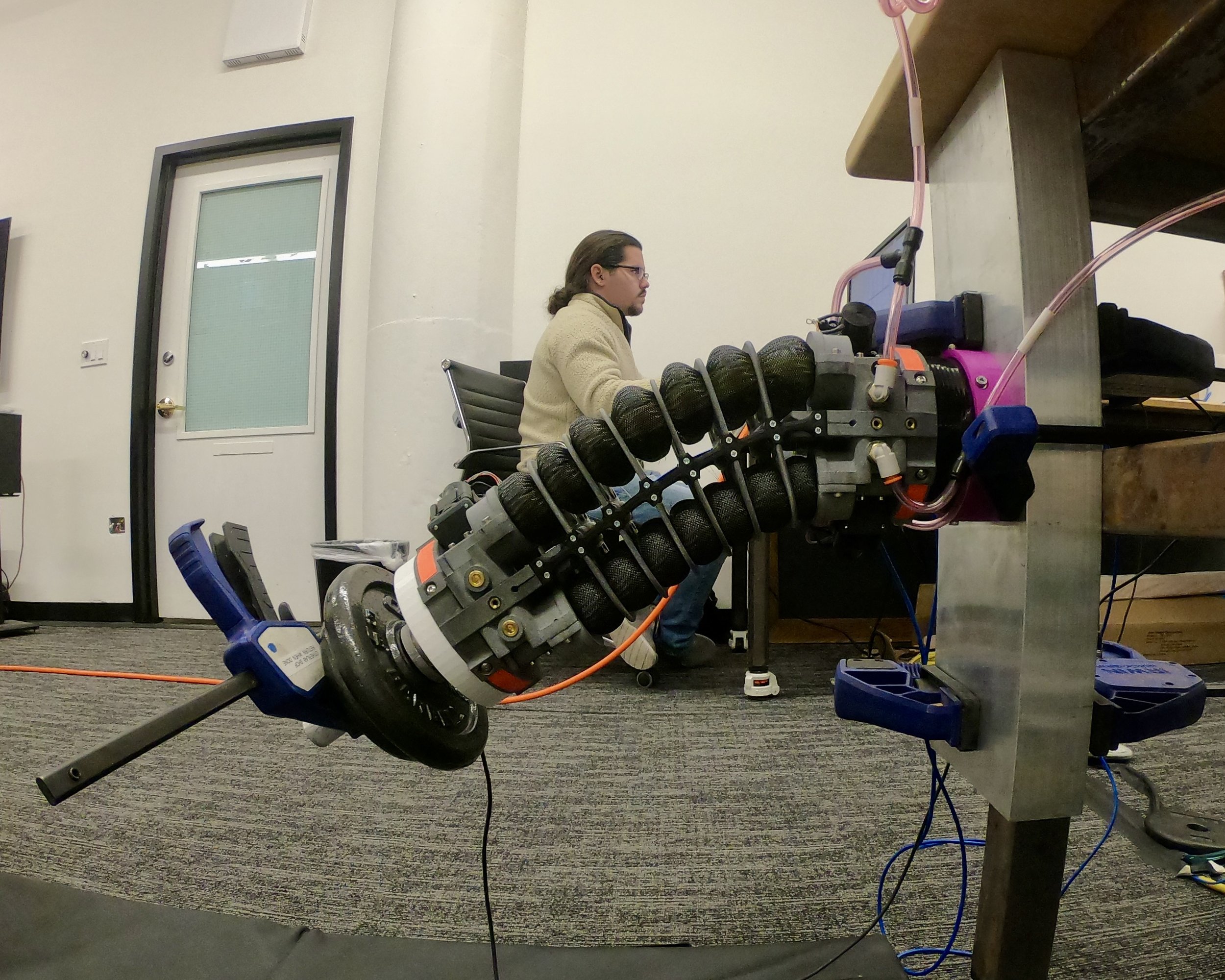
Over the past 7 years, I've built a diverse range of expertise. I spent 5.5 years working in robotics, including projects for NASA and research presented at the IEEE Robosoft Conference. I'm proud to have published 4 pieces of original research in this field.
Web development has been a part of my professional journey for 3 years, and I've spent a year harnessing the power of data science to drive decision-making. For the past 6 months, I've been at the forefront of ChatGPT application development, exploring the potential of this groundbreaking AI tool.
Now, I'm eager to apply this experience in the freelance world, seeking projects that challenge me and allow for creative problem-solving. I'm committed to keeping my work on the cutting edge of technology, ensuring the solutions I deliver are always in sync with the latest trends.